
Computer Vision
Computer Vision is an area of AI dedicated to understanding the visual world. Using images, video and deep learning models, software can be trained to "see": to recognise and classify objects. Once an object is identified, an automatic action or recommendation can follow.
Computer Vision in practice
Backup safety system for industrial robots
In a research project led by Aalborg University, we built a backup safety system for industrial robots. Robots can increase speed, and thereby efficiency, when no people are within their working area, and must slow down, stop or drive around people in their way. The primary safety system is radio tags, but if a tag is forgotten or runs out of battery, our Computer Vision-based backup system takes over. The system is trained to recognise people, but no images are stored: only positions, and only while inside the work area. No personally identifiable data is saved.
Development collaboration with AGCO
We deliver complete solutions, but we also join our customers' development teams, as at AGCO Innovation Center Randers, where we supplement with Computer Vision specialist knowledge.
Read about the AGCO collaboration →

Spending time on visual quality control?
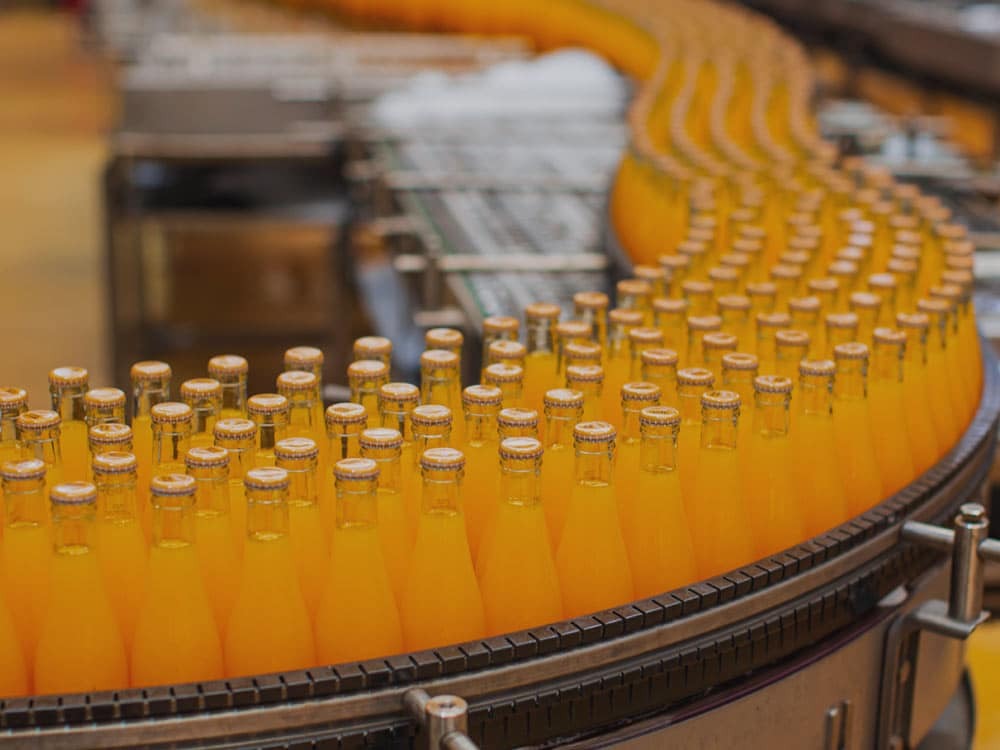
If you produce a large quantity of products that need quality checks, Computer Vision technology is worth considering. A Computer Vision solution consists of a camera setup and software models trained to know how a product should look, and what defects look like. At the same time, the solution collects data you can work with to determine the causes of defects.
Examples of use
Image classification
With automatic image classification, you can easily get an answer to what an image contains. This is advantageous when many items need to be sorted based on image content, from grouping data to converting image to text.
Defect detection
Automatic defect detection finds what sticks out: the abnormal. On a production line it can spot defects, and the collected data can then be analysed to find the causes. Automated quality control frees up time from trivial tasks, and in some cases is far more precise than the human eye.
Object localisation and 3D tracking
By localising an object and following it around an area (for example people at a metro station or in a supermarket), you can follow up with analyses aimed at flow optimisation, optimal staffing of checkout lines, and the like.
Optical character recognition
Teaching software to read can automate simple processes: reading packages marked with specific codes, detecting and reading number plates, or automatically extracting key figures from documents.
Counting objects
After identifying an object, counting becomes possible, for example in traffic solutions. Once you can recognise a car and determine its direction of travel, you can also say how many free parking spaces there are in an area.
See how ATKI uses this for access control →
Curious what this could look like in your business? Call +45 40 60 10 19 and talk directly with our CEO or sales team – or leave a message and we will call you back.
Let's talk
Call and talk directly with our CEO or sales team about your project or idea – or leave a short message and we will call you back.